Skip to the text
ODDITY.md
Opening

ODDITY.md

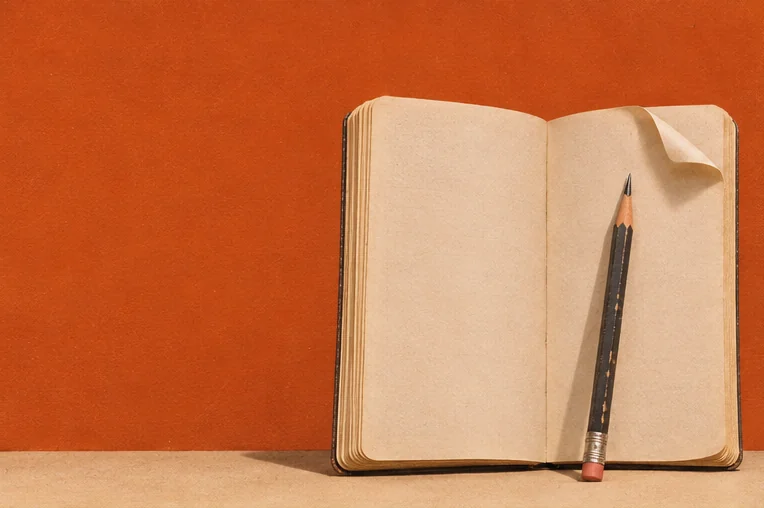
a notebook for small experiments.

for the ideas that keep interrupting.

open it before the paint dries.

Odd things

The best thing in my notebook rarely survives a brief.

It’s a diagram of a latch, a scrap of red foil, or a sentence someone said while looking for their keys.

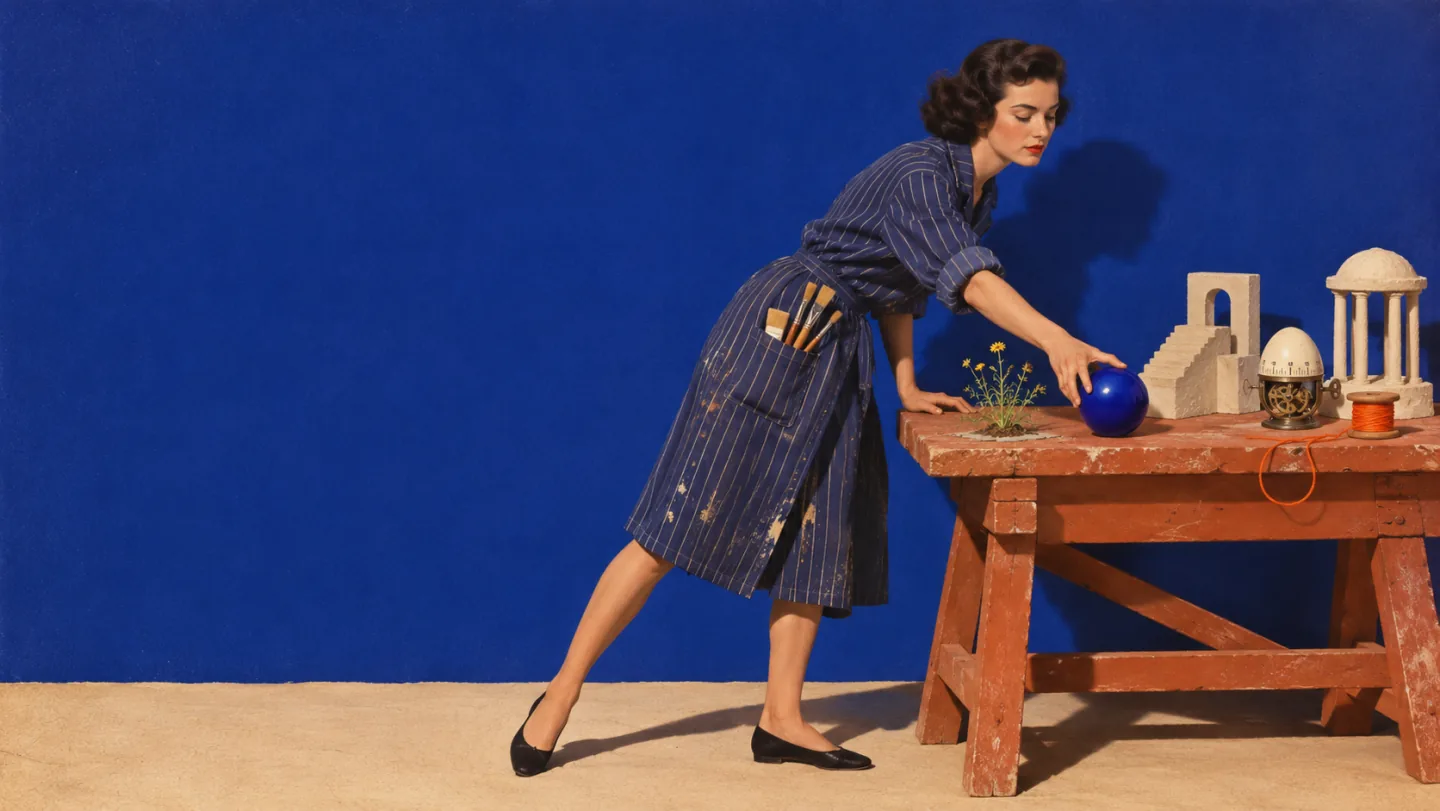
I started giving those things ten minutes at the worktable. A few became real projects. Most gave me a better question to bring back on Monday.
small
experiments

Pick something you can touch, change, or show today. Put the result somewhere you can find it tomorrow.
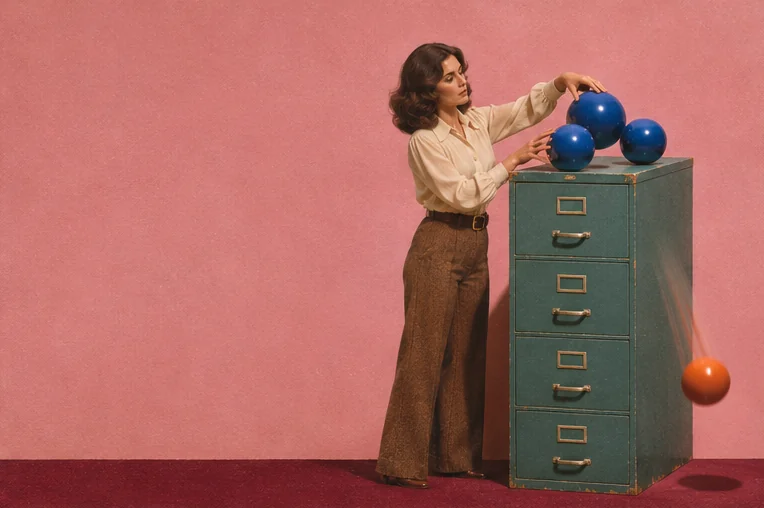
1. Start with a hunch

Write down the part you suspect will work. Be specific.

“The handle will feel like an invitation” gives you something to test with a lump of clay.

Make just enough to find out. If the clay handle feels like a doorstop, you’ve saved an afternoon of drawing handles.

2. Pocket the accidents

Save the offcuts, crooked test prints, and pictures taken a second too late.

Write where each one came from.

When a draft feels predictable, take two scraps out of the drawer and see what they do together.
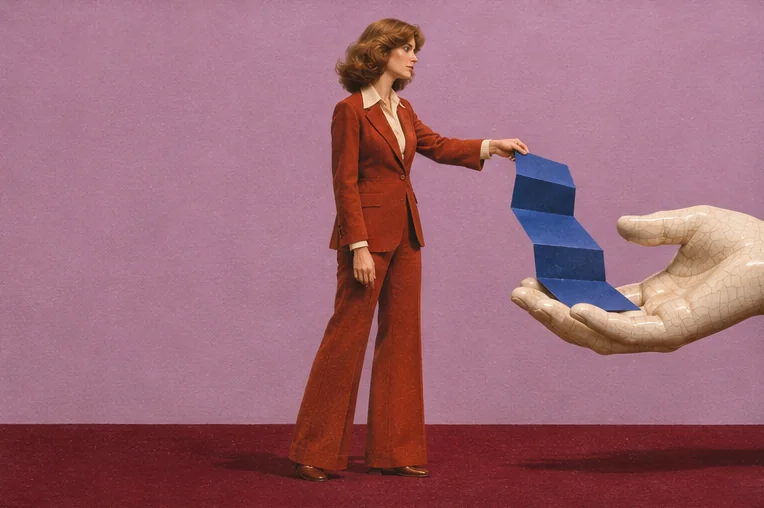
3. Change one thing

Print the same poster twice. Move the date on one copy.

Pin both to the wall and back up until you can see which one you notice first.

Give each change a name. By Friday, “the one with the date at the bottom” is a lot easier to find than “final-six.”
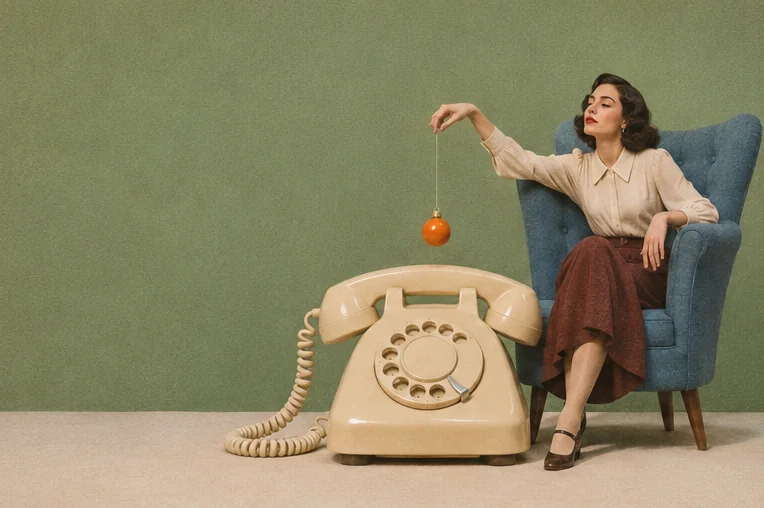
4. Watch the hands

Give someone the model and keep your own hands still.

Notice where they turn it over, what they try to pull, and when they put it down.

Write their first question verbatim. It’s usually more revealing than their answer to “Did you like it?”
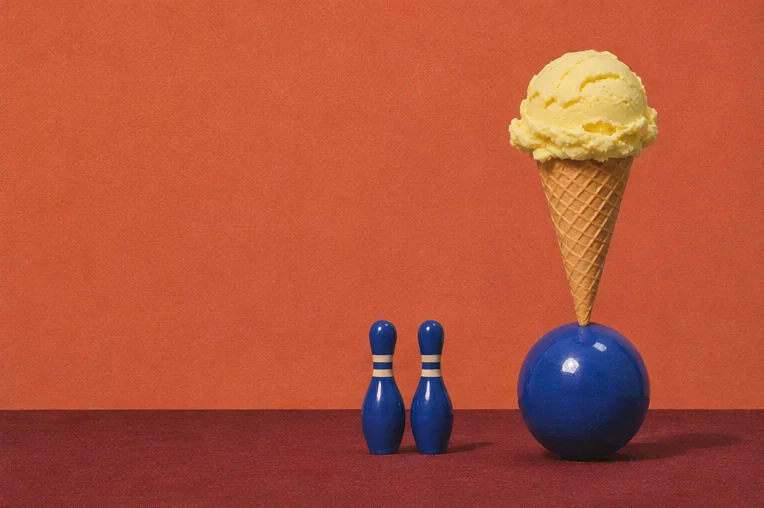
5. Leave a little room

When a line wobbles or a seam slips, make another one next to it.

See whether the accident suggests a pattern worth keeping.

Decide what needs to hold steady. Leave one part of the next version open to what the material does on its own.

6. Try a smaller version

Read the scene aloud with two chairs and a kitchen timer. Make one cardboard corner of the cabinet.

Draw the whole homepage on a receipt.

A small version will tell you which part deserves the next hour.
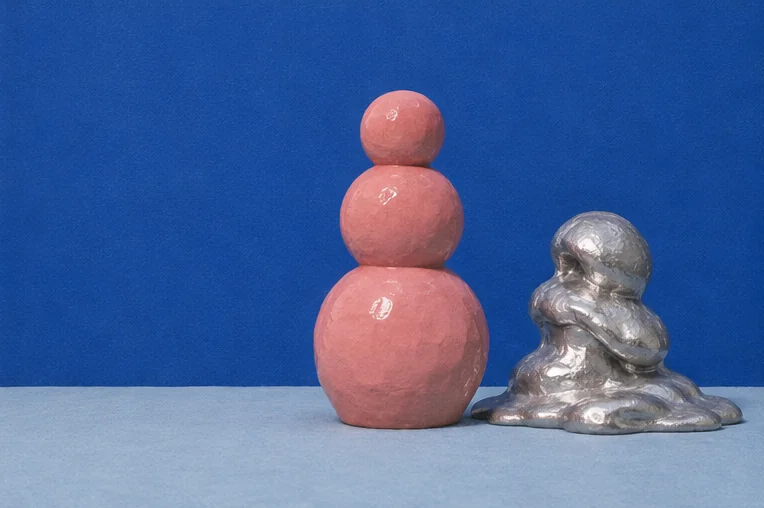
7. Show the wet paint

Invite one person to look while the pieces can still move.

Tell them which part you’re deciding and hand them the spare scraps.

Ask them to show you what they’d move. Keep the marks they make, along with your own.

8. Follow the good detour

Set aside a short stretch when the plan can change.

If the boring test produces an interesting shadow, see what it takes to make the shadow on purpose.

Give the detour its own page. You can return to the original question with the new piece intact.

9. Keep the awkward one

Line up the attempts before you pick a favorite.

Give the odd one a minute and say out loud which detail keeps pulling you back.

That detail may work better somewhere else. Label it with enough context to steal it from yourself later.

10. Leave a way back

Before you clear the table, take a picture.

Write what you tried, what surprised you, and the next thing you’d change.

Leave one tool where you can see it. A good note should make it easy to put your hands back on the work.
Worktable notes

Put away

  • The second hour of naming the folder
  • The third color before the first test
  • The draft only I have seen

Keep nearby

  • Something I can cut apart
  • The question someone actually asked
  • A photograph of where I stopped

Lights out.

If an experiment goes nowhere, write down what happened. You’ll be glad you did when the same idea comes knocking in a different coat.

ODDITY.mdOpening
ODDITY.mddownload ↓
# ODDITY.md

> a notebook for small experiments.

> for the ideas that keep interrupting.

> open it before the paint dries.

## This notebook

The best thing in my notebook rarely survives a brief. It’s a diagram of a latch, a scrap of red foil, or a sentence someone said while looking for their keys.

I started giving those things ten minutes at the worktable. A few became real projects. Most gave me a better question to bring back on Monday.

## Small experiments

Pick something you can touch, change, or show today. Put the result somewhere you can find it tomorrow.

### 1. Start with a hunch

Write down the part you suspect will work. Be specific. “The handle will feel like an invitation” gives you something to test with a lump of clay.

Make just enough to find out. If the clay handle feels like a doorstop, you’ve saved an afternoon of drawing handles.

### 2. Pocket the accidents

Save the offcuts, crooked test prints, and pictures taken a second too late. Write where each one came from.

When a draft feels predictable, take two scraps out of the drawer and see what they do together.

### 3. Change one thing

Print the same poster twice. Move the date on one copy. Pin both to the wall and back up until you can see which one you notice first.

Give each change a name. By Friday, “the one with the date at the bottom” is a lot easier to find than “final-six.”

### 4. Watch the hands

Give someone the model and keep your own hands still. Notice where they turn it over, what they try to pull, and when they put it down.

Write their first question verbatim. It’s usually more revealing than their answer to “Did you like it?”

### 5. Leave a little room

When a line wobbles or a seam slips, make another one next to it. See whether the accident suggests a pattern worth keeping.

Decide what needs to hold steady. Leave one part of the next version open to what the material does on its own.

### 6. Try a smaller version

Read the scene aloud with two chairs and a kitchen timer. Make one cardboard corner of the cabinet. Draw the whole homepage on a receipt.

A small version will tell you which part deserves the next hour.

### 7. Show the wet paint

Invite one person to look while the pieces can still move. Tell them which part you’re deciding and hand them the spare scraps.

Ask them to show you what they’d move. Keep the marks they make, along with your own.

### 8. Follow the good detour

Set aside a short stretch when the plan can change. If the boring test produces an interesting shadow, see what it takes to make the shadow on purpose.

Give the detour its own page. You can return to the original question with the new piece intact.

### 9. Keep the awkward one

Line up the attempts before you pick a favorite. Give the odd one a minute and say out loud which detail keeps pulling you back.

That detail may work better somewhere else. Label it with enough context to steal it from yourself later.

### 10. Leave a way back

Before you clear the table, take a picture. Write what you tried, what surprised you, and the next thing you’d change.

Leave one tool where you can see it. A good note should make it easy to put your hands back on the work.

## Worktable notes

### Put away

- The second hour of naming the folder
- The third color before the first test
- The draft only I have seen

### Keep nearby

- Something I can cut apart
- The question someone actually asked
- A photograph of where I stopped

## Lights out

If an experiment goes nowhere, write down what happened. You’ll be glad you did when the same idea comes knocking in a different coat.

[100 AI Designs case study](https://100ai.design/designs/014-oddity-md)

Visual experience inspired by [HUMAN.md by Briana (Mazzio) May](https://www.human-md.ai/).